
Did you have a good cry today? Did your child? Perhaps they ended up having a meltdown because they wanted pizza for dinner and you made pasta. Or perhaps they wanted to wear their red socks, and they were in the wash.
Your child might of had a tantrum before bed because they didn’t want to clean their teeth. Eventually they snuggled up in bed, and fell asleep, leaving you feeling stressed, and exhausted.
How was your day? Did you have moments of joyful connection with your child? Did you have moments when you felt frustrated, or said things you regretted? Chances are what you need is to have a good cry.
Our children naturally seek to release stress and tension through crying and tantrums, and they naturally expect us to be their listeners. It’s not always easy, and part of the problem is we are the ones to have to hold it together. At the end of the day we probably need to have a good cry too.
Yesterday I spent the whole day with family and friends, I was talking and laughing, and having wonderful conversations. And yet at the end of that lovely day, I was feeling sad, upset feelings were rising to the surface, and I was struggling to feel connected to my daughter. I knew I needed to have a different kind of conversation. One in which I could find my tears. So I called my listening partner. I barely spoke to her, I just simply cried for a few minutes, and afterwards I felt completely transformed, ready to engage with my daughter again, and no longer weighed down by heavy feelings.
For those of you new to my blog and Hand in Hand Parenting, a listening partnership is where two parents make an agreement with each other to spend time talking and listening together about how parenting is going. When you follow specific listening guidelines you can create a safe space so each person can find the feelings that don’t come up in normal conversation. You can have a good cry.
Your toddler or young child may naturally seek moments every day to release stress and tension that builds up in our busy lives. We often think of their meltdowns as the problem, but what is actually the problem is not that our child is crying but that we are not. Imagine how different parenting could be if you got to have a good cry every day just like your child!
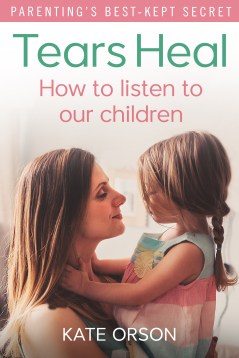
To find out more about listening partnerships you can read more about them in my introductory post here, or in my book Tears Heal: How to listen to our children



Leave a comment