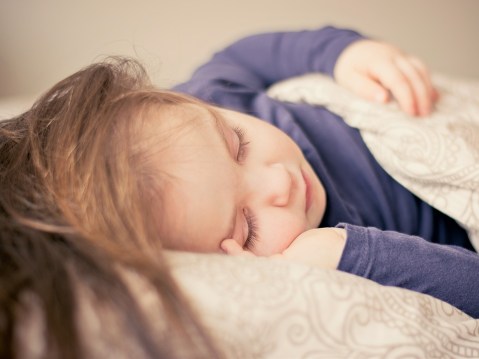
The other day a friend (who also practises Hand in Hand Parenting) were chatting. I was talking about how since my daughter’s recently started Kindergarten that I’m trying to shift her bedtime routine. She used to go to sleep between 9-10 but now she has to fall asleep earlier. Ideally I’d like her to wake up naturally each morning, but I’m finding I have to wake her each day, which sometimes results in her being overtired. What could I do to shift her sleep, I wondered? Should I impose a strict routine now instead of going with the flow like I used to?
As my friend and I talked we remembered something. We’ve noticed anecdotally that children who’s feelings get listened to, (what Hand in Hand Parenting calls staylistening) tend to need less sleep and often drop their naps earlier than other toddlers. (although this is a slight disadvantage, there are many bigger advantages to having a child who’s feelings don’t erupt through their behaviour all the time, I promise you!) It got me thinking about how sometimes, if my daughter has a big play, or a big cry the night before she wakes up in an amazingly good mood, even if she ends up having less sleep. Now I think about it, I have also needed more sleep at times when I was full of emotion. A couple years ago when my grandmother died I could easily sleep for 12 hours if I had the chance.
When our children have to get up in the morning for an exact time it can put a lot of pressure on family life. We feel like we have to get serious, put a stop to fun and games, and live our lives by the clock. One way around this that I tried this week was to set a timer for our evening roughhousing play, so that we could still have fun, but fit it into our stricter routine.
On Friday night I was going to do the same, but then I remembered the conversation with my friend. My daughter seemed to need to play and release some feelings so we ended up playing for longer. I knew she could sleep in the next day. I didn’t want to throw off her whole routine, but since she’s started Kindergarten, she’s taking longer to fall asleep at night. She’s often singing German songs or counting in German last thing at night, and I know her brain’s processing all the learning she’s doing. I know that as much as she needs a good night’s sleep she also needs extended play to relax first. And last thing at night seems the perfect time to do it!
If your child regularly takes a long time to fall asleep at night, it can make you feel anxious. You’re worried your child is going to be exhausted the next day. You’re frustrated and want some me-time. Play offers us the chance to relax. To be a little flexible with the routine for a few nights, and give our child concentrated, intense play to work on any stress and tension that’s been gathering up. Don’t be surprised if your child also needs to cry after having lots of laughs and giggles. It’s all part of their natural healing process for releasing stress and tension. Going with it rather than against it will help your child to sleep better in the long run, even if it disrupts the routine for a few nights.
After a few nights of having their feelings listened to, you may notice that they fall asleep much easier, and it’s much easier to implement your bedtime routine.
So if you find yourself getting stressed and tense waiting for your child to fall asleep. Remember that giggles are just as important! And you can go with your child’s natural instinct to play and release tension, rather than focusing on the clock.
If you’re looking for some bedtime inspiration try these suggestions below.
Giggle Parenting For When Your Child Just Won’t Fall Asleep
The Benefits Of Laughter Before Bedtime
Silly Bedtime For Kids Leads To Better Sleep
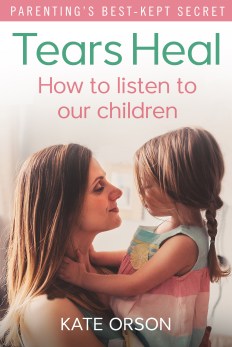
And if you’d like to learn more about how Hand in Hand Parenting can help your child fall asleep easily and sleep through the night check out the sleep chapter of my book, Tears Heal: How To Listen To Our Children


Leave a comment