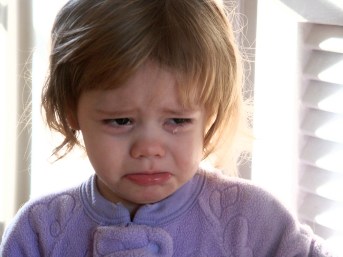
Toddler Tantrums. It seems pretty obvious why they are hard to handle. The noise, the arms and legs being flung around everywhere. The fact that they disrupt the day, cause us embarrassment in public, and are generally one of the more unpleasant aspects of parenting.
But did you know that all these are really just the surface reasons that make tantrums hard? There’s actually something much deeper going on, and understanding this could transform your attitude to tantrums to one of zen like calm (at least most of the time!). And no it doesn’t involve abandoning life as a parent to live like a monk for a few years!
Before I explain, I’d like to share what’s actually going on when your child has a tantrum. (if you’re a regular reader of this blog or a Hand in Hand Parenting fan you can skip this paragraph!) A tantrum is like therapy for kids. When our child gets stressed, or experiences frustration and emotional upset, a tantrum is a natural and healthy stress release mechanism. This is also the case when our baby’s cry and all their needs are met and seem to have ‘no reason’ for crying. The stress hormone cortisol is released in tears, as is the hormone Manganese which is responsible for mood balancing, and other toxins. Crying also reduces blood pressure. This important healing function is why I recommend to parents that they shouldn’t stop tantrums, as long as they have the patience to be there, to listen and empathise.
We all want our children to be happy, and tantrums are actually key to our child’s happiness.
If crying is so good then why does our child’s tantrum make us feel so bad? It all started when we were children. When we were young the majority of parents didn’t know that tantrums have a therapeutic, healing purpose. Even today, most people still don’t. When we were young, how did our parents react to our tantrums? We may have been ignored or hurt, we may have been told ”don’t cry or I’ll give you something to cry about.” Even if our parents did respond to us in gentle ways, they probably thought it was kindest to cheer us up, to distract us somehow to give us a toy, or a sweet to put us in a better mood.
In Parenting From The Inside Out Dan Siegal, explains what happens to our brains when we get stressed while parenting. Our limbic system senses a kind of emotional emergency, and unconscious memories from our past get re-activated. When we hear our baby cry, or toddler tantrum, our memories of how we were treated get triggered. Unconsciously we feel the hurt, the anger, and the pain, of having our healthy, healing process interrupted by our parents. We then project all those feelings onto our toddler’s outburst. But really it’s not about them. It’s about us.
Our parents did their best. They meant well. But nobody had deeply listened to their feelings when they were young, so the cycled continued.
There is one way we can break the cycle, and that’s to learn when our child simply needs to cry, and to do our best to be there, to offer warmth and empathy and connection so they can release their feelings, attune to our calm mental state and restore their emotional equilibrium.
Mindfulness can help us in the moment. Being aware of our thoughts, and noticing when we have a strong emotional reaction to our child’s outburst. But mindfulness alone, probably won’t be enough to help us ride the storm of our child’s emotions.
We also need to go back to those early memories, to release the feelings we have been carrying. To have our own big cries with a warm and present listener. With Hand in Hand Parenting, we offer parents advice about how to begin listening partnerships, where two parents come together to take turns talking and listening about how parenting is going. A listening partnership is a safe space, where you can have a good moan about your child’s tantrums make you feel. Having the chance to offload your own feelings regularly means you can return your toddler and experience tantrums for what they really are, something healthy, and good, that will restore you toddler’s natural happiness, co-operative nature, and zest for life.
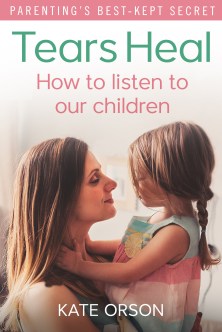
Are you ready to go on a journey to find your inner calm as a parent? You can find out more about listening partnerships in my book Tears Heal: How To Listen To Our Children


Leave a comment