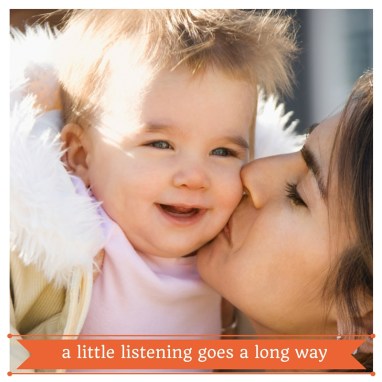
Emotional safety helps children feel connected to us and feel safe to tell us how they’re feeling. This helps prevent their emotions coming out in ‘off-track’ behaviour.
Imagine the scene. Your child has just come home from Kindergarten. The Kindergarten teacher has told you that they were ‘as good as gold’ all morning. But now they’re home they’re having multiple tantrums, hitting their younger sibling, and throwing their toys around.
Or you leave the kids with your partner for an afternoon, and they’re perfectly happy and content. Then as soon as you come in the door they’re moaning, whining, and starting to cry. What on earth is going on? Does your Kindergarten teacher, or partner have superior parenting skills to you?
Absolutely not! And it’s probably quite the opposite. What’s likely the case is that you’ve created emotional safety for your children. They sense that you are there to listen to their feelings, and so they show them, sometimes directly through crying, and sometimes indirectly through their behaviour. They may keep those feelings hidden for as long as they can, and then let them out with the person who they trust the most.
Our children need a sense of connection, and emotional safety to thrive. Their limbic system, – the socio emotional part of the brain, is like a radar that constantly scans the environment to see ‘’am I safe here?’’ ‘’Who is taking care of me?’’
As long as a child’s limbic system feels well connected to others, they can think well, and their behaviour stays on track. But sometimes they may feel disconnected or experience emotional upset, that causes the feeling of disconnection.
When this happens the limbic system senses an emotional emergency, and then the pre-frontal cortex – the part of the brain responsible for rational, reasonable thinking can’t function well. Your child may start behaving in crazy ‘unworkable’ ways, in order to try and restore connection. So they whine or moan at us, and do things they know deep down are wrong like hitting, or they start crying. They usually behave in these ways towards their closest family members, the ones that are most invested in loving, and listening to them.
One of the things most parents do at some point is to try and stop their child from crying or tantrumming. They distract, reason with, or trying to ‘fix’ the situation as quickly as possible. However crying is actually a healing process, and if we can simply be there and ride out the storm of their upsets, then children can release the feelings that are behind their challenging behaviour.
When we practise creating deep emotional safety for our children, they can move away from ‘acting’ out their upsets, towards simply expressing their feelings instead.
Here’s 5 tips for creating emotional safety
- Let Your Children Have Their Feelings – If your toddler throws a tantrum, don’t try to distract them, or fix things instantly. Instead be there and listen. As parenting educator Dr. Deborah Macnamara says, ‘crying is not the hurt, but the process of being unhurt.’ Most of us grew up with our emotions being ignored, or stopped, so it can be hard to have patience with our children’s upsets. I like to think of them as nature’s behaviour regulation system. If we can stay close, and try to be calm, then our child can get their upset out, feel better and then behave better.
- Have Special Time Doing What Your Child Loves – Set a timer for 15-20 minutes and then spend time doing whatever your child wants. Shower your child with your love and undivided attention. When you do this regularly it lets your child know that there is a safe place to go to have your full attention and listening.
- Play and laugh together – Children often use play to work through issues in their lives. So if your child wants to play schools with you, perhaps there’s something about school they need to figure out. Children often get hurt when they feel powerless. Perhaps they got frustrated about doing what the teacher said, or another kid was aggressive towards them. Turning the tables in play and letting your child be in the more powerful role can be very healing. So let your child boss you around or be the teacher, or make ‘mistakes’ to give your child the upper hand.
- Set limits on behaviour and listen to the feelings – When we set limits, we can say no with love, and listen to the feelings. This allows your child to release any upsets that were causing them to behave in ‘’off-track’’ ways. This way of setting limits actually builds closer connections rather than causing frustration and friction between parent and child.
- Get Emotional Support For Yourself – This kind of peaceful parenting isn’t easy. We’re often nurturing our children on a much deeper level than we experienced as a child. Do things that help you relax and feel nurtured. Spend time with friends, who you can talk, laugh and cry with. The parenting approach I teach – Hand in Hand parenting, also has a free listening partnership scheme where you can exchange time talking and listening with other parents. This provides us with the emotional safety we need so we can then be more fully present for our children.
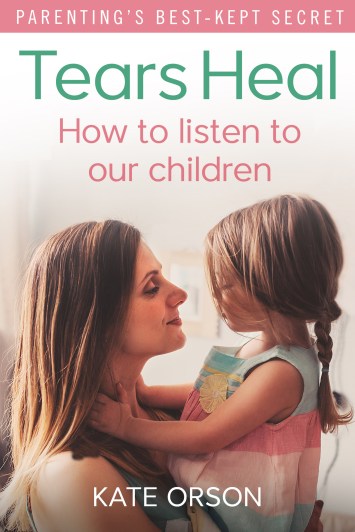
For more information about using Hand in Hand Parenting to help children with their feelings check out my book Tears Heal: How to listen to our children.


Leave a comment